For generations, the Mahadeva Temple has been the still point at Punnala's centre — the place where a child is brought for their first rice, where festival drums roll out across the paddy fields, where the lamp is lit before any new beginning. To stand inside its courtyard at dawn is to feel the village breathe in unison.
Our Village
Punnala — the places we still see when we close our eyes.
A walk through the temples, the masjid, the churches, the old aqueduct, and the forests that shaped us.
Every Punnalite carries a private map. On it are not roads but landmarks of the heart — the bend where you first saw the river in flood, the bench under the mango tree where your grandfather told stories, the wall of the old church that always smelled of frankincense, the call of the muezzin that drifted in just as the temple bells rang for the evening aarti. This page is for those landmarks.
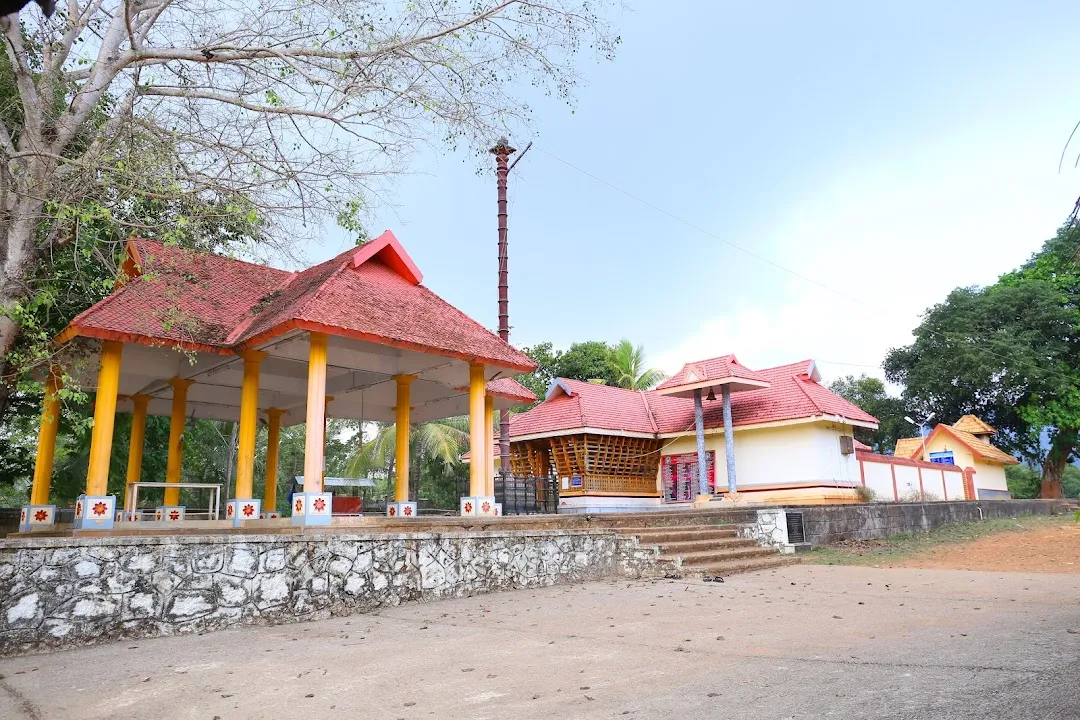
01
Punnala Mahadeva Temple
Where the day begins with the sound of a brass bell.
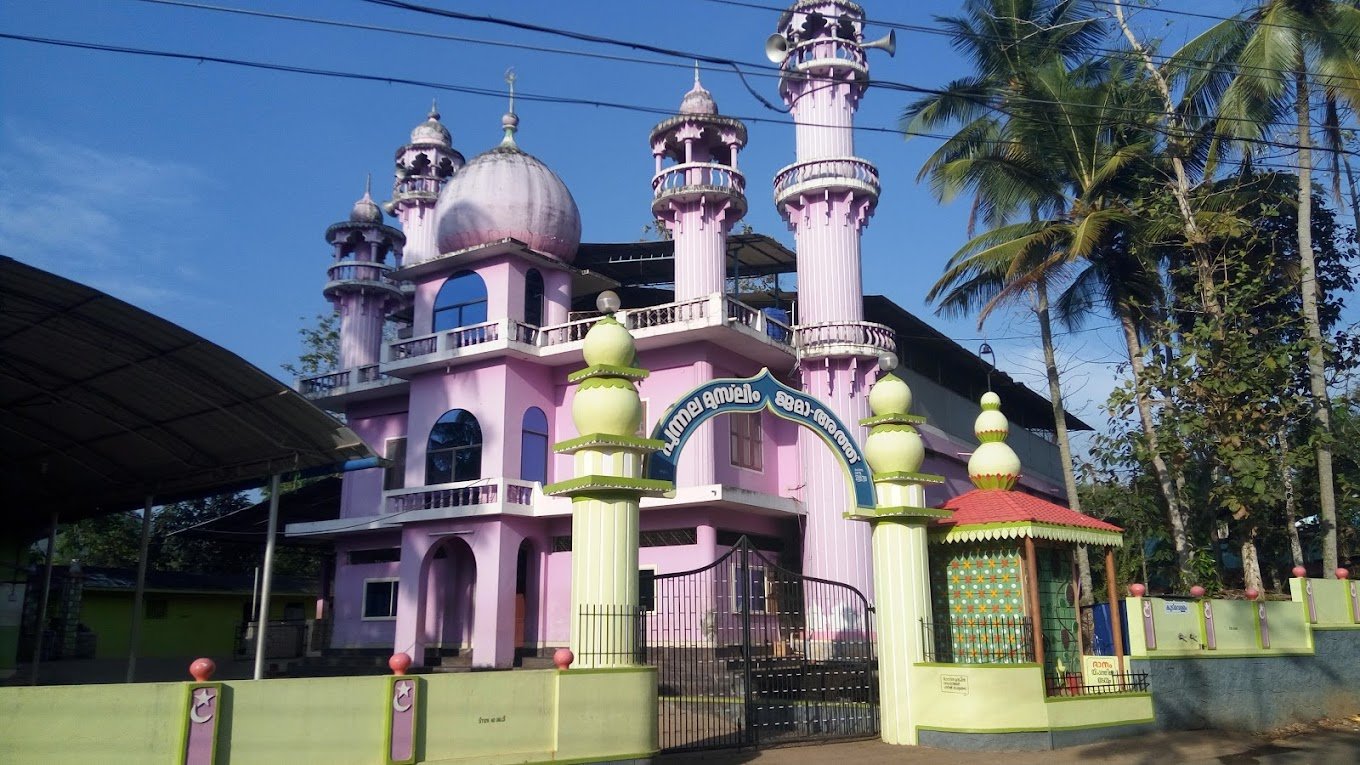
02
Punnala Juma Masjid
A doorway that has never asked who you are before letting you in.
The Juma Masjid sits at the heart of community life — the place where Friday prayers gather neighbours together and where the call to prayer becomes part of the village's soundtrack at dawn and dusk. Through generations of births, marriages, and partings, this house of worship has held a quiet, dignified place in the Punnala story.
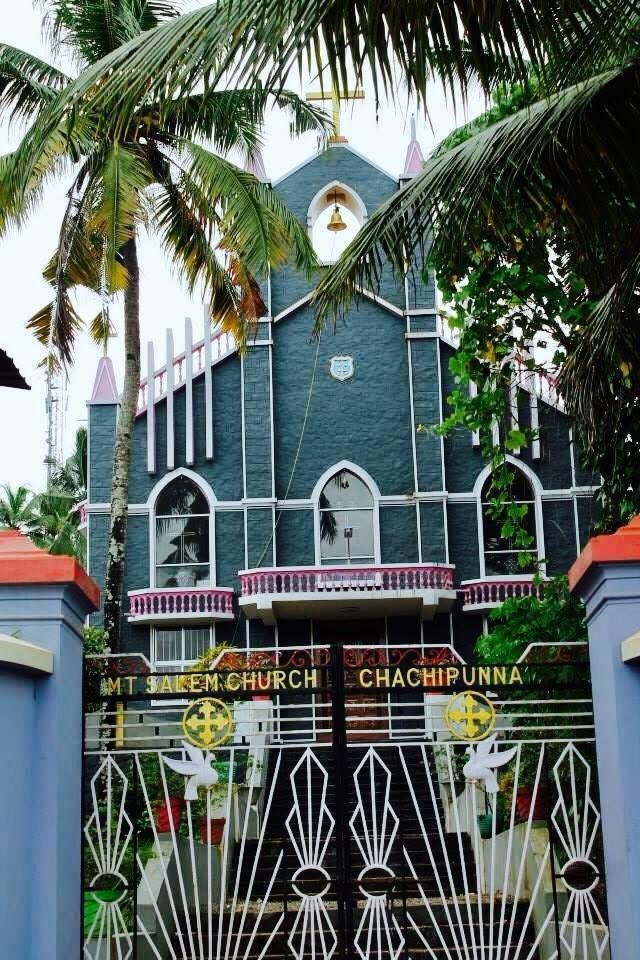
03
Mt. Salem Church, Chachipunna
Stained glass and coconut palms — a Kerala tableau.
Tucked behind two leaning palms and a wrought-iron gate that has welcomed thousands of weddings and Sunday Masses, Mt. Salem Church Chachipunna is a much-loved landmark. Its grey-blue façade and pointed steeples seem to belong equally to the sky and to the soil. Generations have grown up to the rhythm of its bells.
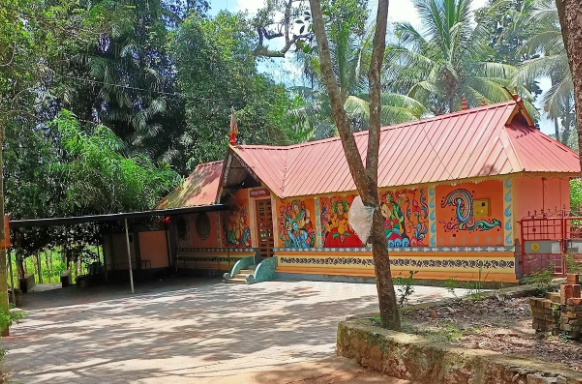
04
Punnala Ammoomma Kottaram
Where the past has not been asked to leave.
Ammoomma Kottaram — the Grandmother's Palace — is one of those names that every child of Punnala learns before they understand it. A place wrapped in stories, blessings, and a quiet authority that does not need to announce itself. Walk slowly here. Listen.
05
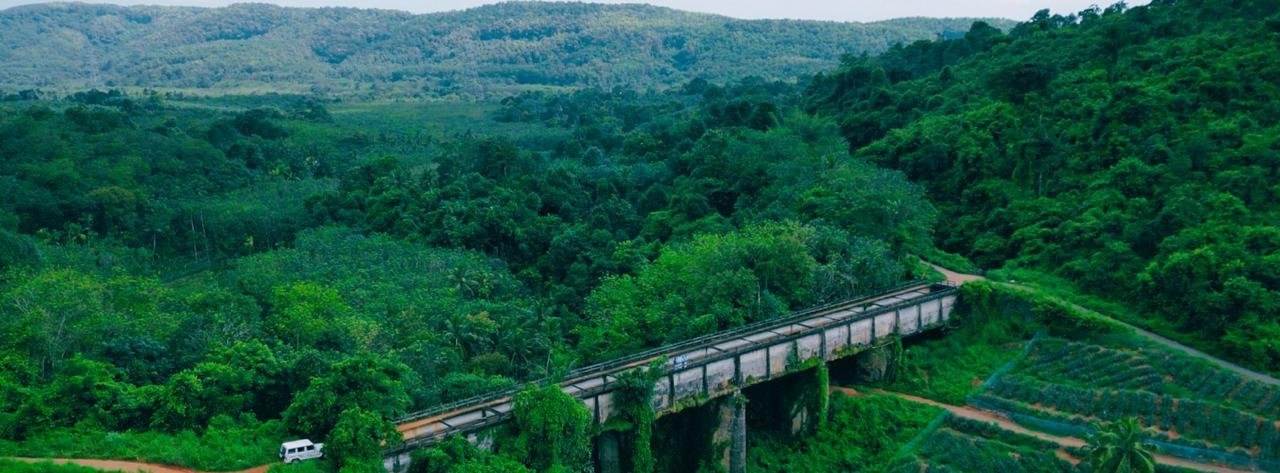
The Punnala Aqueduct
A line of stone drawn through the green.
An old engineering marvel that has settled into the landscape like it has always belonged. The aqueduct cuts a clean line across hillsides and treetops, a quiet monument to the hands that built it and the water it has carried for decades. From the air, it is the most-photographed silhouette in Punnala. From the ground, it is simply a part of home.
06
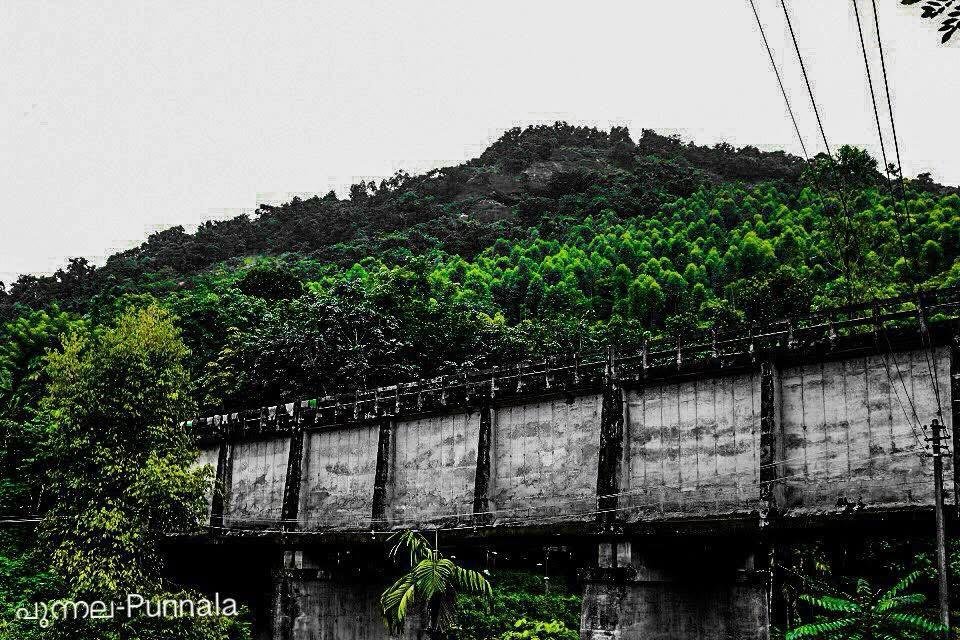
The Hills & Forests
Where every monsoon writes itself onto the land.
Punnala is held on one side by hills that turn from grey to a thousand greens between June and September. The forest paths smell of wet bark and fallen jackfruit. Birds you cannot name yet will name themselves. The forests are our quietest classroom — the place that taught us patience, weather, and how to pay attention.
07
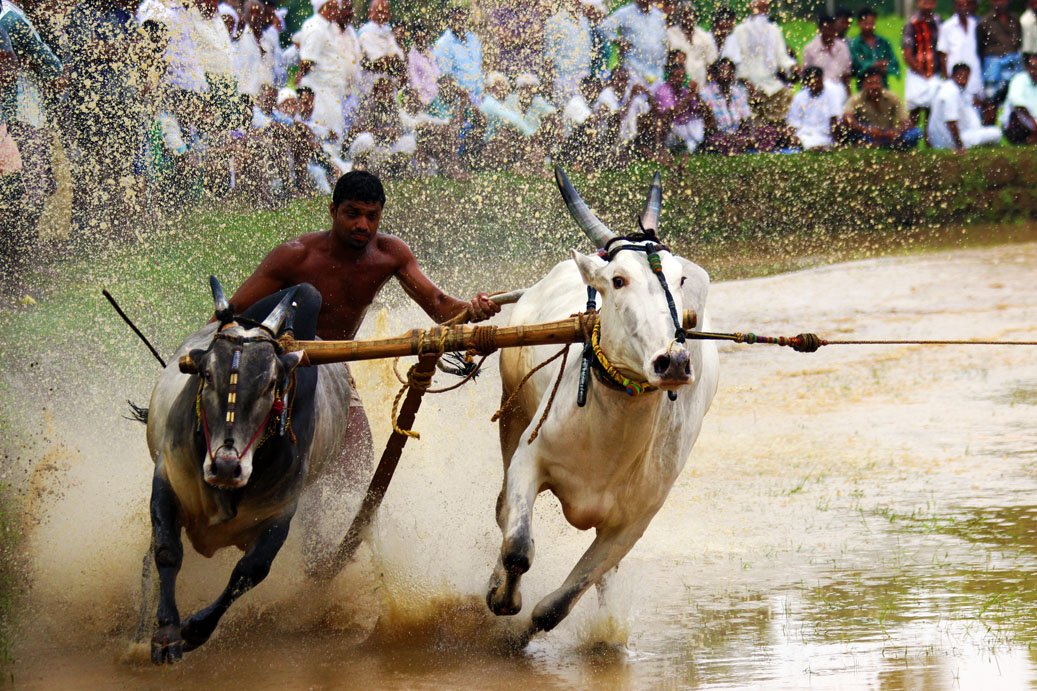
Maramadi (Kalapoottu)
Two oxen, a paddy field, and a village that holds its breath.
Not a place exactly, but a moment that returns every year. The traditional bull race — kalapoottu, or maramadi — kicks up sheets of monsoon water and whoops of the crowd. It is sport, ritual, and street theatre rolled into one. To be there is to understand something about Kerala that no postcard can hold.
08
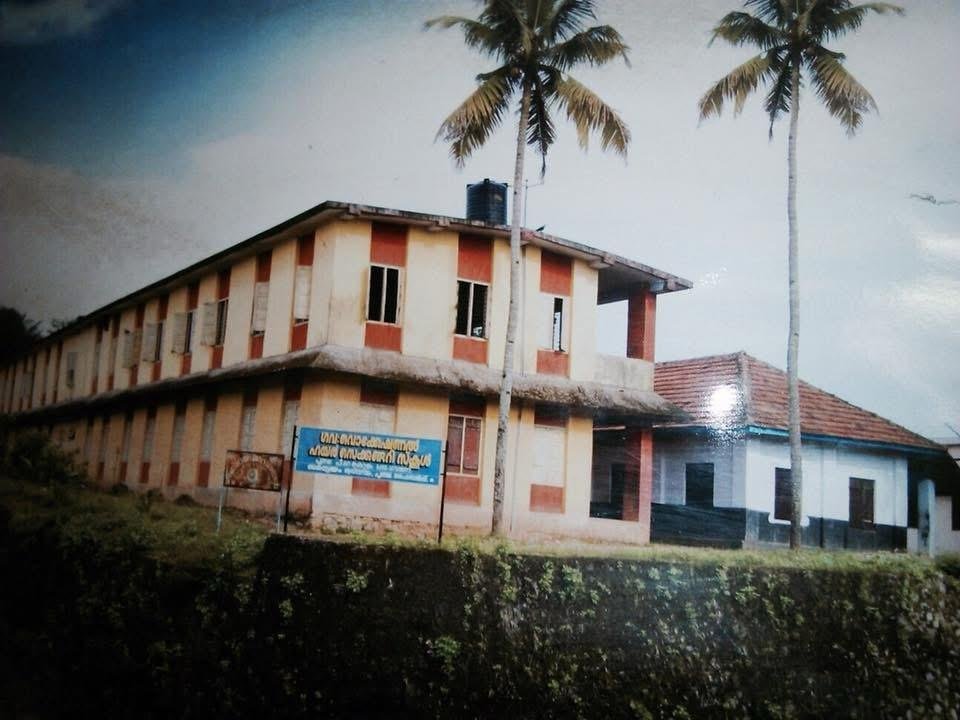
Punnala Government Higher Secondary School
Where many Punnala dreams first learned to read the world.
Known in searches as Punnala Government Higher Secondary School, Government Vocational Higher Secondary School Punnala, GVHSS Punnala, and Govt VHSS Punnala, the school belongs deeply to the village story. Generations of Punnalites carry its classrooms, teachers, playgrounds, and exam mornings in memory.
Every place on this page is a small key. Together they open one door — the door called home.